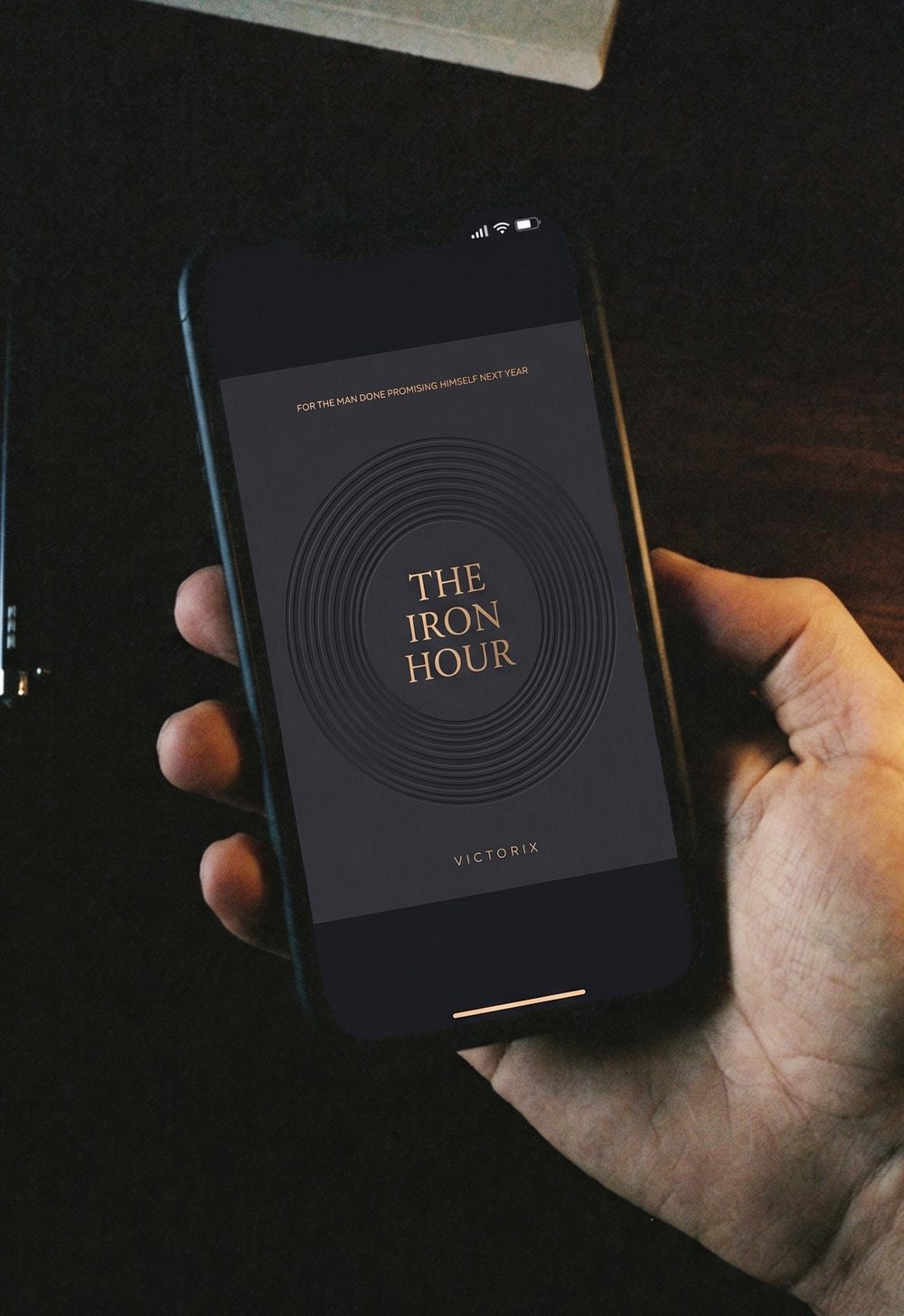
The daily system, written down to keep.
No twelve-hour course. No 47 modules. One system, short enough to finish tonight and run in the morning.
You've promised yourself before. Three strong days, then Wednesday came and it quietly died.
Not weakness. Willpower was never built to carry a life. This is the system that runs when the feeling doesn't.
A short book and a one-page daily planner. The method: decide tomorrow's hours tonight, then run the page instead of the mood. Read it in one evening. Run it at six.
Straight with you: this won't discipline you while you sit still. Buy it, never open the planner, and it does nothing. Take the refund. All it removes is the last excuse: that you don't know how.
Available in every country.
Your price shows automatically in your own currency.
14-day money-back guarantee. If you've run the system and it genuinely didn't move your days, email us within 14 days for a full refund. No forms, no hoops.
The company you're joining
The same architecture runs at the top.
From Franklin's 1726 page to the five-minute calendars of today's founders: the men you'd trade lives with decided their hours before the day began.
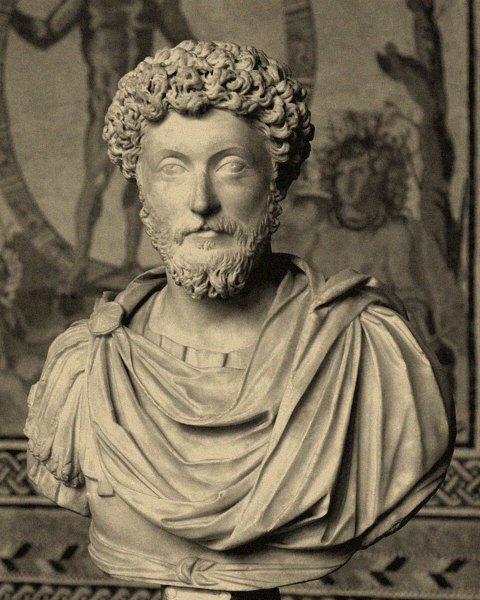
AureliusWrote his rules for the day before dawn, in a war camp.
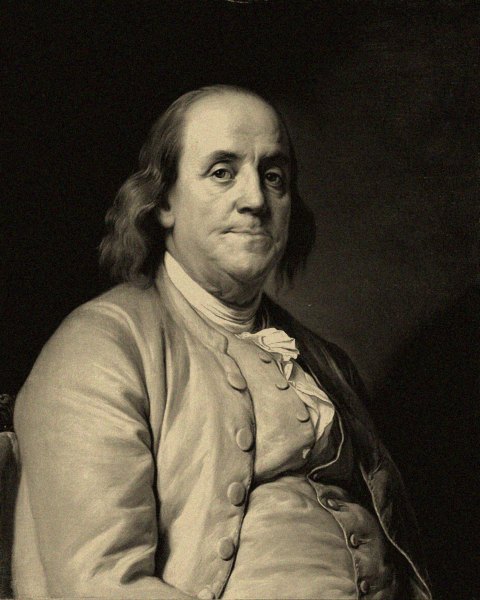
FranklinMapped every hour on one page in 1726. The original time-box.
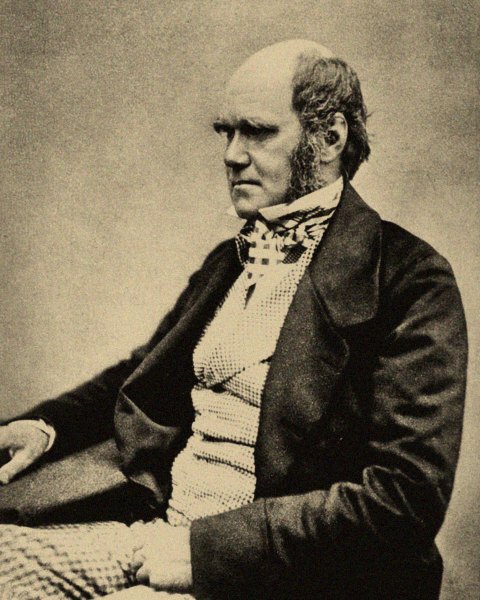
DarwinRan the same rigid daily schedule for forty years. It produced the century's biggest idea.
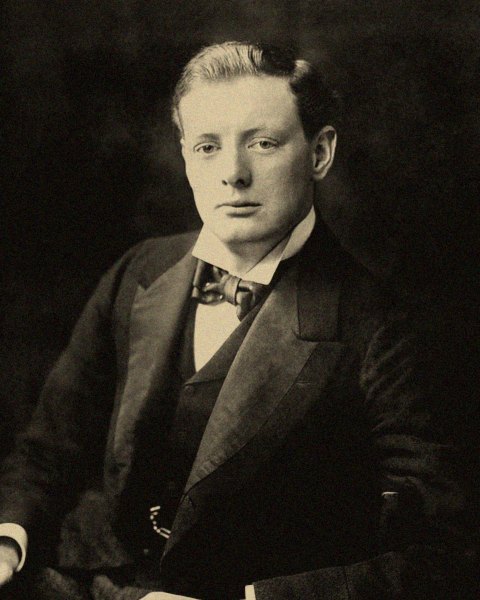
ChurchillKept an unbreakable daily timetable through a world war.
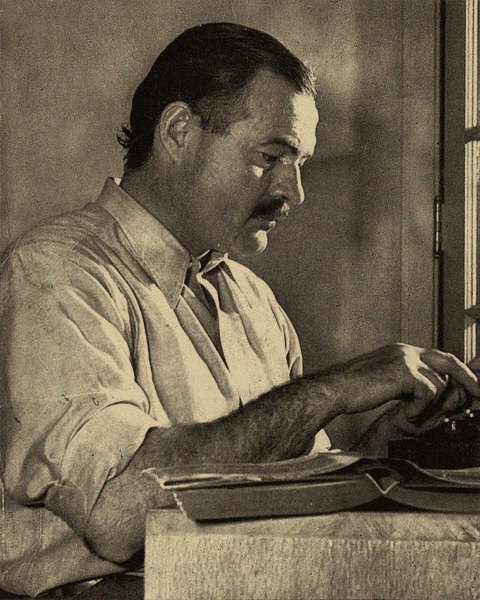
HemingwayWrote at first light, every day, finished by noon. No exceptions.
AureliusWrote his rules for the day before dawn, in a war camp.
FranklinMapped every hour on one page in 1726. The original time-box.
DarwinRan the same rigid daily schedule for forty years. It produced the century's biggest idea.
ChurchillKept an unbreakable daily timetable through a world war.
HemingwayWrote at first light, every day, finished by noon. No exceptions.
Different centuries, same architecture: the hours decided before the day begins. None of them endorse this book. They prove the method.

Why it isn't sticking
Willpower runs out. Architecture doesn't.

This isn't a theory
Discipline isn't the thing you summon in the moment. It's the thing you design before the moment arrives.
Willpower is a battery. It drains by two in the afternoon. That's why you've quit every time before: you were asking a battery to do a system's job. A day that's already built doesn't ask your willpower for permission. It runs. And the research on this is unusually clear:
Men who decided in advance when and where they would act followed through roughly twice as often. Psychologists call it an implementation intention. This book calls it boxing the hour.
Meta-analysis of 94 studies · Gollwitzer & Sheeranof what you do each day isn't decided at all. It's habit, fired by context. Leave the day empty and that 43% gets written by your phone. Structure it once, and it works for you.
Duke University · Wood, Quinn & Kashyon average, for a repeated behaviour to become automatic. That's why this is a daily page, not a 7-day challenge. The system carries you until it no longer has to.
University College London · Lally et al.Named, real research. Read the papers yourself if you like. The method stands on it.
The arithmetic nobody does
3 drifted hours a day is 1,095 hours a year. Over the next forty years, that is 5 full years of your life. Awake. Gone.
Your next forty years. The gold ones are already promised to the scroll.
Nobody loses a life in one decision. It leaks at a rate.
The problem was never you
You have more discipline than most men. So why does nothing hold?
You wake up with a plan, sure that this time is different. By nine the day has eaten it. Again. The failure was never your will. You were handed motivation when the job called for structure. A decided day doesn't ask how you feel. It runs.

The moment you buy, it's on the phone in your hand. No shipping, no app, no account. You could build tomorrow before you close this tab.
Not 47 tips you'll forget by Monday. One short system that locks together. The daily architecture no video ever actually handed you.
Ten minutes and the day is decided before it arrives. Run the same page tomorrow, and the day after, until it stops being something you do and becomes something you are.
Look inside
One book. A system in five pieces.
Every discipline hack you ever saved was a note you opened once. This is the opposite: real chapters, in the exact order you run them. The first page spreads open at launch.
An honest filter
Built for one kind of man.
If the second column is you — keep the $29. No hard feelings.
Why I built this
I didn't invent this system. I found it, in the same place, five times.
I spent years studying how the men above actually ran their days: Aurelius' rules written before dawn, Franklin's 1726 page, Darwin's forty unchanged years, Churchill's wartime timetable, Hemingway's first-light shift. Different centuries, different work, and underneath it the same architecture every single time — the hours were decided before the day began.
The Iron Hour is that architecture, stripped of biography and written down as one page you can run tomorrow. I don't think you lack will. I think nobody ever handed you the page. So here it is.
I ran it on my own desk first. Three blocks I refused to negotiate, every hour given a job, one written line for the mornings I wanted to quit, two minutes at night to close the day honestly. It wasn't inspiring. It worked — which is exactly what their routines had in common.
I kept refining it because I kept using it. And under every video, the same question kept arriving: how do I make it hold? This book is the long answer, written once, in order.
You don't have to believe me — that's the point. Every source in this page is named: the routines, the research, the men. Check any of them. I didn't write a philosophy. I wrote down what already survives contact with a real Tuesday.
Questions
Before you decide.
No. A planner is a blank page. It still needs you to know what to do with it. The Iron Hour is the system that tells you how to fill it, run it, and close the day. The planner is included, but the method is the point.
Because most of it runs on motivation, which drains. This is built to run without motivation. The whole design takes the decision out of the moment. That's exactly the failure point it's built around.
Day one you'll have a day with structure instead of an empty one. The real change is the compounding. By week three or four the review loop has reshaped how your days run.
14 days, full refund, no questions. If you run it and it's not for you, you get your money back.
No app, no subscription, no gear. A pen and the page, or your phone. That's it.
Five years from now you'll be somewhere. The only question is whether the days in between had an owner.
Get The Iron Hour → 14-day money-back guarantee. No questions asked.